
Robot Vacuum Mop Combo with WiFi and LiDAR Navigation: The Complete Guide
Keeping your floors clean has never been more convenient. The rise of robot vacuum mop combo devices with WiFi and LiDAR navigation has transformed how homeowners approach floor maintenance. Unlike traditional robot vacuums that only sweep, these combo units tackle both dust and wet cleaning in a single pass, using advanced navigation technology to map your home with laser precision. WiFi connectivity allows you to control your robot from anywhere on your smartphone, schedule cleaning sessions while at work, and receive real-time status updates. LiDAR (Light Detection and Ranging) navigation ensures your robot doesn't bump into furniture or miss spots—it creates a detailed floorplan and cleans with mathematical accuracy. For homeowners balancing busy schedules with cleanliness standards, a robot vacuum mop combo with WiFi and LiDAR is a game-changing investment that saves time and delivers consistently clean floors.
Our Top Picks for Robot Vacuum Mop Combo Devices
Below are the standout robot vacuum mop combo models that combine WiFi connectivity, LiDAR precision, and reliable mopping capabilities for a truly integrated cleaning experience.
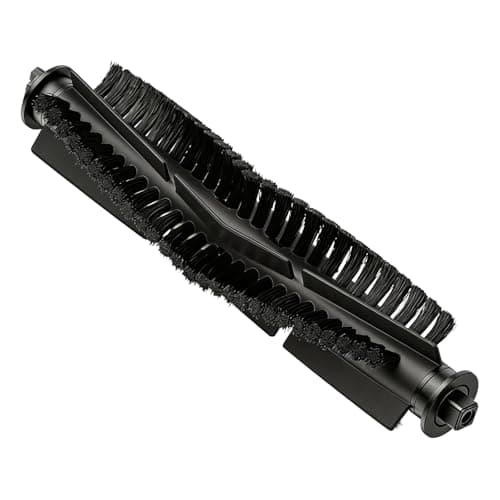
iMartine
iMartine Compatible with D16S MAX, LiDAR Navigation Smart Vacuuming and Mopping Robot, Replacement Accessories Rolling Brush (1 Pack)
- iMartine Compatible with D16S MAX, LiDAR Navigation Smart Vacuuming and Mopping Robot, Replacement Accessories Rolling Brush (1 Pack)
* As an Amazon Associate we earn from qualifying purchases.
The D16S MAX is a premium robot vacuum mop combo equipped with advanced LiDAR navigation that creates accurate room maps and adapts to your home's layout. This model's high-performance rolling brush system delivers powerful suction while the mopping functionality addresses both dust and moisture simultaneously. The WiFi-enabled app control lets you start, stop, and schedule cleaning sessions remotely, making it perfect for homeowners who want complete automation and flexibility in their cleaning routine.
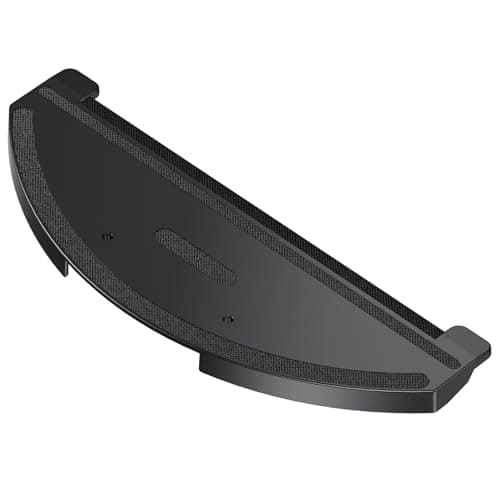
iMartine
iMartine Compatible with D16S MAX, LiDAR Navigation Smart Vacuuming and Mopping Robot, Replacement Accessories Mop Pad (1 Pack)
- Compatible with D16S MAX, LiDAR Navigation Smart Vacuuming and Mopping Robot, Replacement Accessories Mop Pad (1 Pack)
* As an Amazon Associate we earn from qualifying purchases.
Designed as a complementary accessory for the D16S MAX, this replacement mop pad ensures your combo unit maintains peak mopping performance over time. The dedicated mop pad attachment is engineered to work seamlessly with the robot's LiDAR-guided navigation and water dispensing system. Having high-quality replacement pads on hand means your robot vacuum mop combo stays effective for years, reducing the total cost of ownership and keeping your floors spotless with minimal downtime.
What to Look For in Robot Vacuum Mop Combo with WiFi and LiDAR
LiDAR Navigation Accuracy
LiDAR navigation is the cornerstone of precision cleaning. This laser-based mapping technology creates a real-time floorplan, allowing your robot to understand room boundaries, avoid obstacles, and clean systematically rather than randomly. A quality LiDAR system means your robot won't miss corners or repeatedly vacuum the same spot, significantly reducing cleaning time and extending battery life. When evaluating a robot vacuum mop combo, verify that the LiDAR sensor has a strong detection range and can handle various ceiling heights and room configurations.
WiFi Connectivity and App Control
WiFi integration transforms a robot vacuum mop combo from a set-it-and-forget-it device into a fully controllable smart home appliance. A robust app should let you start and stop cleaning, set schedules, view real-time maps, adjust cleaning modes, and receive notifications when the job is complete. Look for models that support both 2.4GHz and 5GHz WiFi bands, have fast connection response times, and integrate with popular voice assistants for hands-free commands.
Mopping Capability and Water Control
Not all robot mop functions are created equal. Premium models offer adjustable water flow rates so you can customize moisture levels for different floor types—light misting for hardwood, heavier saturation for tile. The mopping pad quality directly impacts cleaning results; look for microfiber pads that trap dirt and grime effectively. Additionally, verify that the water tank capacity suits your home size, and check whether the robot can distinguish between carpeted and hard-floor areas to avoid over-wetting carpets.
Suction Power and Battery Life
Suction strength determines how effectively the robot handles pet hair, dust, and debris. Measured in Pascals (Pa), higher numbers mean more powerful vacuum action. Battery capacity affects how long your robot can run on a single charge—larger homes need 3,000+ mAh batteries for uninterrupted cleaning. Look for models with intelligent return-to-dock capability that recharges and resumes cleaning automatically, ensuring every corner gets attention even in expansive floor plans.
How to Set Up Robot Vacuum Mop Combo in Your Smart Home
Getting your robot vacuum mop combo WiFi-enabled is straightforward. First, charge the unit fully and clear your floors of small obstacles, cables, and small objects that could jam the brush or wheels. Download the manufacturer's mobile app and create an account, then power on the robot and enable its WiFi mode—most models have a dedicated button or menu option. Connect the robot to your home WiFi network (usually 2.4GHz for best compatibility) through the app, and allow the device a few minutes to sync with cloud servers. Set up your preferred cleaning schedule, water flow settings, and no-go zones through the app's mapping interface. Many robot vacuum mop combos integrate with broader smart home ecosystems; consider pairing yours with home automation hubs to trigger cleaning when you leave the house or combine it with smart security systems that alert you when the robot is working. Test the LiDAR mapping by running a quick cleaning cycle to ensure it's navigating smoothly, then adjust any missed areas or obstacles in the app.
How Robot Vacuum Mop Combo Compares to Other Smart Home Upgrades
While a robot vacuum mop combo WiFi LiDAR system is a substantial smart home investment, its value proposition is compelling. Unlike smart climate controls that optimize comfort or smart lighting that enhances ambiance, a combo robot directly addresses a universal household chore. Over two to three years, the time savings and convenience rival the value of hiring a weekly cleaning service, yet with greater control and lower recurring costs. The WiFi and LiDAR technology justify the premium price by delivering reliability and precision that basic budget robots cannot match. When weighing this purchase against other smart home investments, consider it a productivity upgrade that frees hours monthly for activities you value more than vacuuming.
Our Verdict
A robot vacuum mop combo with WiFi and LiDAR navigation is the ideal choice for homeowners seeking comprehensive, intelligent floor cleaning. The D16S MAX and its compatible accessories represent a thoughtful investment in home automation that delivers tangible daily benefits. LiDAR precision eliminates the randomness of basic robots, while WiFi control adapts to your lifestyle. For households with mixed flooring, pets, or time constraints, this category of smart home device pays dividends in convenience and cleanliness. The modest investment in quality replacement pads ensures long-term performance and value.
Frequently Asked Questions
What's the difference between LiDAR and camera-based navigation in robot vacuums?
LiDAR uses laser pulses to measure distances and create precise 3D maps, functioning reliably in low-light conditions and mapping your home in seconds. Camera-based navigation relies on visual recognition and is slower and less reliable in dark rooms. For a robot vacuum mop combo, LiDAR's accuracy is particularly valuable because precise mapping prevents the robot from mopping over electrical outlets or getting trapped in tight spaces.
Can I use my robot vacuum mop combo on all floor types?
Most modern combo units handle tile, laminate, and vinyl flooring beautifully. However, they can damage hardwood if water flow is set too high, and they should avoid natural area rugs or thick carpets during mopping mode. Quality models, like the D16S MAX, allow you to set no-mop zones in the app or reduce water flow, giving you precise control over where mopping occurs.
How often do I need to replace the mop pads and brushes?
Mop pads typically last 2–4 months with regular use before they become frayed or less absorbent; rolling brushes last 6–12 months depending on debris volume. Having replacement accessories like the compatible mop pads on hand means you can swap them in minutes and avoid downtime during peak cleaning seasons. Most manufacturers recommend checking these components monthly and replacing them when performance visibly drops.
Does WiFi connectivity drain the robot's battery faster?
WiFi connectivity has minimal impact on battery life because the robot only maintains a WiFi signal during initial setup and periodic status updates, not during active cleaning. The motor, suction system, and mopping function consume the vast majority of battery power. A fully charged robot with LiDAR and WiFi capabilities typically cleans for 100–200 minutes per charge, depending on home size and suction mode.
What happens if my WiFi goes down—will the robot still clean?
Yes, your robot can still perform scheduled or manually initiated cleaning jobs without WiFi. However, you'll lose remote app control, real-time status updates, and the ability to adjust settings mid-cycle. Most models store the floormap locally, so LiDAR navigation remains fully functional. WiFi primarily enhances convenience and monitoring rather than being essential to core cleaning operations.