
Robot Vacuum Self-Emptying Base Station WiFi: Complete Guide to Hands-Free Cleaning
The modern home deserves a cleaning solution that works as hard as you do—preferably while you're not thinking about it. A robot vacuum self-emptying base station WiFi represents the pinnacle of hands-free home cleaning automation. Unlike traditional robot vacuums that require you to empty their dustbins after every few cleaning cycles, these intelligent machines dock with a base station that automatically transfers debris into a large-capacity bag or bin, sometimes going weeks between manual empties. Add WiFi connectivity and app control into the mix, and you've got a genuinely smart cleaning system that integrates seamlessly with your connected home ecosystem.
If you're investing in smart home technology, understanding the landscape of self-emptying robot vacuums is crucial. These devices represent a significant step up in convenience and user experience, but they require proper maintenance—especially when it comes to replacing and maintaining the filtration system that keeps the base station running efficiently. In this guide, we'll explore what makes a great self-emptying robot vacuum base station, what features matter most, and how to keep your system performing optimally for years to come.
Our Top Picks for Robot Vacuum Self-Emptying Base Station WiFi Systems
Finding the right replacement parts and accessories is just as important as choosing the vacuum itself. Here's our featured option for maintaining your self-emptying base station:
Cleangela
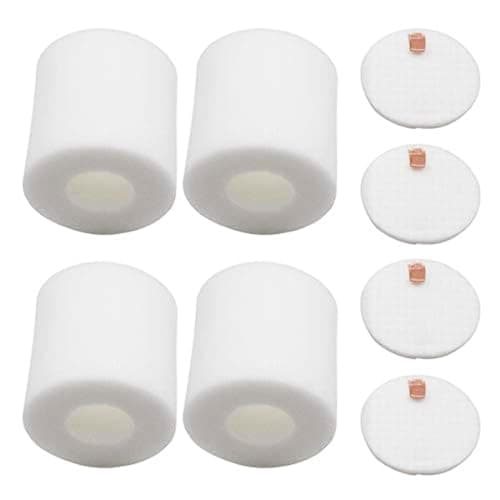
AirClean 4 Pack 3.7" High Replacement Base Pre-Motor Foam Filters Compatible with Shark IQ Robot Vacuum R101AE RV1001AE UR1005AE Self-Empty Base
- ※IMPORTANT※ Many models of Shark R101AE Self-empty Base are introduced. There are also several versions of the height of the foam filter. The height of this filter is 3.7 inch, which is the highest of all models at present. It can be used in other low style foam filters.The pre-motor filters compatible with Shark IQ Robot Vacuum RV1001AE UR1005AE Self-Empty Base.
- □Compare to Part # 106KY1000AE.
- □Easy to Replace. Keeping the filters clean in base helps to extend the working life of the motor.
- □Package Details: 4×Foam & Felt Filters.
* As an Amazon Associate we earn from qualifying purchases.
This Cleangela 4-pack replacement filter set is specifically designed for Shark IQ robot vacuums with self-empty bases, addressing one of the most critical maintenance needs these systems face. The 3.7-inch high pre-motor foam filters represent the tallest filtration option currently available for compatible Shark models, ensuring maximum dirt capture and extended motor life. By keeping the base station filters clean, you're not just maintaining the system—you're protecting the entire vacuum's longevity and performance, making this an essential accessory for any Shark self-emptying base station owner.
What to Look For in Robot Vacuum Self-Emptying Base Stations
Filter Quality and Replacement Accessibility
The base station filter is the unsung hero of self-emptying systems. When your robot vacuum docks and empties its bin, dust and fine particles pass through the base's pre-motor and HEPA filters. A high-quality, tall foam filter design—like the 3.7-inch option from Cleangela—captures more debris before it reaches the motor, preventing clogs and extending the entire system's operational life. Look for replacements that are easy to access and swap out without tools, and aim to replace them every 3-6 months depending on usage frequency.
WiFi Connectivity and App Control Features
True automation comes from WiFi-enabled robot vacuums that let you schedule cleaning sessions, monitor real-time status, and receive notifications from anywhere using your smartphone. A robust WiFi-connected self-emptying system should integrate with popular voice assistants and smart home hubs. Look for apps that display room-by-room cleaning maps, allow you to set no-go zones, and provide filter maintenance reminders. Reliable 2.4GHz and 5GHz band support ensures consistent connectivity throughout your home without dropouts.
Base Station Capacity and Bin Design
The whole point of a self-emptying base station is extended intervals between manual empties. A larger capacity bin—typically 0.4 to 1.0 liters—means you might only empty it once every 3-6 weeks. Check whether the base uses disposable dust bags (convenient but recurring cost) or a reusable bin (more eco-friendly). Sealed compartments prevent dust from escaping during the auto-empty process, and some systems feature HEPA filtration within the base itself for additional allergen control.
Suction Power and Multi-Surface Performance
Self-emptying doesn't matter if the vacuum can't clean effectively. Look for models with strong suction power (measured in Pa or Pascals) that can handle both hard floors and carpets without getting stuck or losing performance. Dual-brush or no-brush designs, combined with responsive obstacle detection, ensure your WiFi-connected vacuum won't repeatedly get tangled or require manual rescues. Higher-end models offer adaptive cleaning paths that learn your home layout.
How to Set Up Your Robot Vacuum Self-Emptying Base Station WiFi System
Getting your self-emptying robot vacuum up and running involves several key steps. First, choose a central location for the base station that's easily accessible to the vacuum and has at least 18 inches of clearance on all sides for docking. Place it on a hard, level surface near a power outlet—avoid carpeted areas, as this can interfere with docking accuracy. Next, download the vacuum's companion app and connect it to your home WiFi network using the on-screen prompts. Most systems will ask you to create a map of your home during the first cleaning cycle, which takes 30-60 minutes and establishes the robot's understanding of room layouts and obstacles.
Once your map is complete, open the app to create cleaning schedules, set room-specific parameters, and configure no-go zones for areas where the vacuum shouldn't venture. Many WiFi-enabled models integrate with broader smart home ecosystems, allowing you to trigger cleaning sessions via voice commands through Alexa devices or other hubs. Don't forget to verify that your base station filters are properly installed before the first auto-empty cycle—this is where quality replacement filters like the Cleangela foam set become essential. Set maintenance reminders in the app to check the base station filter every 3-6 months, and keep replacement filters on hand to avoid downtime.
How Robot Vacuum Self-Emptying Base Stations Compare to Other Smart Home Upgrades
When evaluating where to invest in home automation, robot vacuum self-emptying base stations offer exceptional value per dollar spent on convenience. Unlike investing in smart security systems or smart locks, which enhance safety and access control, a self-emptying vacuum directly solves a recurring household chore that consumes time and energy weekly. Over a 5-year lifespan, the time savings alone justify the upfront cost. When compared to smart climate systems that optimize energy efficiency, self-emptying vacuums offer more immediate quality-of-life improvements and integration benefits. For homeowners with home automation aspirations, these systems are excellent entry points that demonstrate smart home value tangibly.
Our Verdict
A robot vacuum self-emptying base station with WiFi connectivity is a transformative upgrade for busy households. The combination of hands-free dirt disposal, app-based scheduling, and integration with your smart home ecosystem removes one of the most frequent household maintenance tasks. Investing in quality replacement filters—like the Cleangela 4-pack for Shark systems—ensures your equipment runs reliably for years. This is smart home technology that genuinely improves daily life.
Frequently Asked Questions
How often should I replace the filters in my robot vacuum self-emptying base station?
Most manufacturers recommend replacing pre-motor and HEPA filters every 3-6 months, depending on usage frequency and your home's dust levels. If you use your vacuum daily, quarterly replacement is ideal. Many WiFi-enabled vacuum apps include filter maintenance reminders to keep you on schedule.
Can I use third-party replacement filters in my self-emptying base station?
Yes, quality third-party filters like the Cleangela 4-pack are designed to match or exceed OEM specifications for compatible models. Always verify compatibility with your specific vacuum model before purchasing. Third-party options often provide better value without sacrificing performance or durability.
Does WiFi connectivity require a strong internet signal throughout my entire home?
Most WiFi-enabled robot vacuums only need reliable connectivity to your home network during setup and scheduling. The vacuum can clean while operating on WiFi, and the app will track status in real-time, but the system can function autonomously even if signal temporarily drops during a cleaning cycle. A solid 2.4GHz band throughout your home is ideal.
How long can a self-emptying base station hold debris before it needs manual emptying?
Depending on the base station's bin capacity and your home's dust levels, most systems can operate 3-6 weeks between manual empties. Larger capacity bases and single-story homes with less dust may extend this further. Daily use in a multi-pet household may require more frequent empties.
What's the difference between a self-emptying base and a regular robot vacuum dock?
A standard dock simply charges the vacuum; you still empty the onboard dustbin manually after each cleaning. A self-emptying base uses suction to transfer debris from the vacuum into a large bin within the base station, reducing maintenance to once monthly or less. WiFi versions add app control and scheduling on top of this convenience.