
Robot Vacuum Self-Emptying Base Station WiFi: The Complete 2024 Guide
The evolution of home cleaning has reached a remarkable turning point. Robot vacuums with self-emptying base stations and WiFi connectivity represent one of the most convenient smart home upgrades available today. Unlike traditional robot vacuums that require manual emptying after each cleaning session, these intelligent systems automatically transfer collected dirt and debris into a sealed bin within the base station—meaning you might only need to empty it once every few weeks. When combined with WiFi connectivity, you gain the ability to schedule cleaning sessions, monitor real-time progress, and receive cleaning reports from your smartphone, no matter where you are. This convergence of automation and smart home integration makes robot vacuum self-emptying base stations with WiFi a game-changer for busy homeowners seeking to reduce household chores while maintaining cleaner floors.
Our Top Picks for Robot Vacuum Self-Emptying Base Stations with WiFi
Finding the right base station and replacement filters ensures your self-emptying robot vacuum system operates at peak performance for years to come.
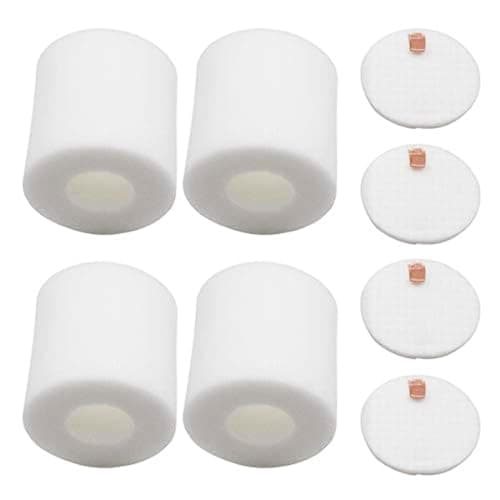
Cleangela
AirClean 4 Pack 3.7" High Replacement Base Pre-Motor Foam Filters Compatible with Shark IQ Robot Vacuum R101AE RV1001AE UR1005AE Self-Empty Base
- ※IMPORTANT※ Many models of Shark R101AE Self-empty Base are introduced. There are also several versions of the height of the foam filter. The height of this filter is 3.7 inch, which is the highest of all models at present. It can be used in other low style foam filters.The pre-motor filters compatible with Shark IQ Robot Vacuum RV1001AE UR1005AE Self-Empty Base.
- □Compare to Part # 106KY1000AE.
- □Easy to Replace. Keeping the filters clean in base helps to extend the working life of the motor.
- □Package Details: 4×Foam & Felt Filters.
* As an Amazon Associate we earn from qualifying purchases.
This 4-pack of replacement pre-motor foam filters from Cleangela is specifically engineered for Shark IQ robot vacuums with self-empty bases, including models R101AE, RV1001AE, and UR1005AE. At 3.7 inches in height, these filters represent the largest capacity available for current Shark models, meaning they capture more fine particles and dust before reaching your vacuum's motor. Keeping filters clean directly extends motor lifespan and maintains suction power—critical for ensuring your WiFi-enabled self-emptying system performs optimally between base station dumps. The four-filter pack provides excellent value, allowing you to rotate fresh filters while cleaning others, ensuring consistent cleaning performance across all your smart home cleaning sessions.
What to Look For in Robot Vacuum Self-Emptying Base Stations
WiFi Connectivity and Smart App Integration
Ensure your self-emptying base station and robot vacuum pair offer robust WiFi connectivity and a dedicated mobile app. Look for systems that provide real-time cleaning maps, scheduling capabilities, and push notifications when the base station's bin reaches capacity. Voice control integration with major platforms like Alexa or Google Home adds an extra layer of convenience, allowing hands-free commands to start or pause cleaning sessions without touching your phone.
Debris Capacity and Emptying Frequency
The larger the base station's debris bin, the longer you can go between manual emptying. Premium self-emptying systems feature bins ranging from 0.5 to 1 liter—some lasting 30 days or more for average households. Consider your home size and pet shedding levels; larger homes and homes with multiple pets benefit from bigger capacity bases that minimize maintenance interruptions during your busy week.
Filtration Quality and Maintenance
High-quality pre-motor and HEPA filtration systems are essential for maintaining air quality while keeping your base station and motor healthy. Look for replaceable foam and felt filters rated for your specific vacuum model. Premium filters like the 3.7-inch Cleangela options capture fine dust particles before they reach sensitive components, reducing maintenance costs and extending your system's operational lifespan significantly over time.
Noise Level During Self-Emptying
Self-emptying base stations generate noise during the debris transfer process, typically ranging from 60 to 80 decibels. Check product reviews and specifications to ensure the noise level suits your home environment, especially if you plan to schedule automatic cleanings during daytime hours. Quieter systems prevent startling family members and reduce overall household noise pollution while maintaining effective debris removal.
How to Set Up Robot Vacuum Self-Emptying Base Stations in Your Smart Home
Setting up your WiFi-enabled robot vacuum self-emptying base station involves several straightforward steps. First, position the base station on a hard floor near a power outlet in a central location—away from stairs, tight corners, and obstacles that might obstruct docking. Download the manufacturer's mobile app and create an account, then power on both the base station and vacuum to establish WiFi pairing through your home network. Configure initial settings like room mapping, cleaning schedules, and suction power preferences directly within the app. Install replacement filters according to your specific vacuum model (ensuring you have compatible options like quality pre-motor filters on hand), and run an initial cleaning cycle to test connectivity and operation. Consider integrating your robot vacuum system with broader home automation routines, allowing it to work seamlessly alongside other smart devices for comprehensive household management.
How Robot Vacuum Self-Emptying Base Stations Compare to Other Smart Home Upgrades
While smart security systems and smart locks prioritize safety and access control, robot vacuum self-emptying base stations focus on convenience and time savings. Compared to investing in multiple individual smart devices, a quality WiFi-enabled self-emptying vacuum system offers exceptional ROI by eliminating the most time-consuming household chore—vacuuming—while requiring minimal maintenance thanks to automatic debris management. When considering smart home priorities, self-emptying robot vacuums rank highly for busy professionals and families seeking to reclaim personal time without sacrificing home cleanliness.
Our Verdict
Robot vacuum self-emptying base stations with WiFi connectivity represent a mature, reliable smart home investment that delivers tangible daily benefits. By automating floor cleaning and offering remote control through intuitive mobile apps, these systems free you from repetitive tasks while maintaining healthier indoor environments. With quality replacement filters and proper setup, your self-emptying robot vacuum system will serve your home effectively for years, making it one of the smartest home upgrades available today.
Frequently Asked Questions
How often do I need to empty a self-emptying base station?
Most self-emptying base stations hold enough debris for 30 days of regular cleaning in average homes. Larger households or homes with pets may need monthly emptying, while smaller spaces might go 6-8 weeks. The base station alerts you via app notification when the bin approaches capacity, so you'll never be surprised.
Are replacement filters for self-emptying bases universal, or model-specific?
Replacement filters are model-specific. Shark IQ vacuums, for example, require filters compatible with their specific base station design, like the 3.7-inch foam filters designed for R101AE and RV1001AE models. Always verify your vacuum model before purchasing replacement filters to ensure proper fit and performance.
Can I control my WiFi-enabled robot vacuum remotely?
Yes, any robot vacuum with WiFi connectivity and a mobile app allows remote control from anywhere with internet access. You can schedule cleaning sessions, start or pause cleaning, view real-time cleaning maps, and receive notifications about your vacuum's status directly through your smartphone.
Do self-emptying base stations reduce allergens and dust in my home?
Quality self-emptying systems with HEPA filters and high-capacity pre-motor filters significantly reduce airborne dust and allergens. The sealed debris transfer process prevents dust clouds when emptying, and regular filter maintenance ensures optimal filtration performance throughout the cleaning cycle.
What's the difference between a pre-motor filter and a HEPA filter?
Pre-motor filters (like foam filters) capture larger dust particles before they reach your vacuum's motor, protecting internal components and extending system lifespan. HEPA filters capture finer particles and allergens before air exits the system. Many quality self-emptying systems include both filter types for comprehensive air filtration during and after cleaning.