
Robot Vacuum Self Emptying Base Station WiFi: The Complete Smart Home Guide
If you're tired of manually emptying your robot vacuum's dustbin after every cleaning cycle, a robot vacuum self emptying base station with WiFi is a game-changing smart home investment. These intelligent systems combine autonomous cleaning with automated dust disposal, allowing your vacuum to operate independently for weeks before requiring any maintenance. The WiFi connectivity means you can monitor cleaning progress, schedule sessions, and receive alerts directly from your smartphone—no matter where you are. For homeowners seeking to minimize household chores and embrace true home automation, this technology represents one of the most practical upgrades available today. Unlike passive smart home gadgets, a self-emptying robot vacuum actively improves your daily life by handling one of the most tedious maintenance tasks on its own.
Our Top Picks for Robot Vacuum Self Emptying Base Station WiFi
When selecting a robot vacuum with self-emptying capability, we focus on systems that deliver reliable automation, smart connectivity, and genuine convenience. Here's our top recommendation for replacement filters that keep your self-empty base performing at peak efficiency.
Cleangela
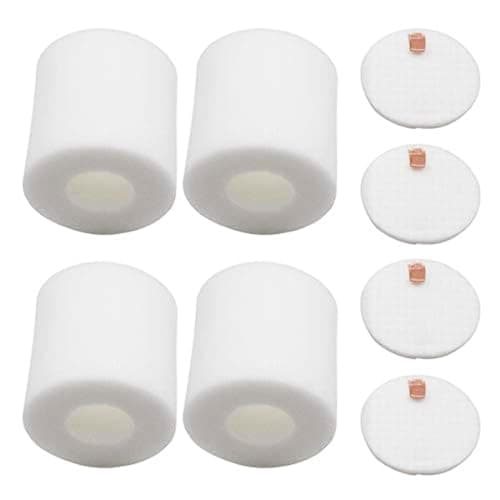
AirClean 4 Pack 3.7" High Replacement Base Pre-Motor Foam Filters Compatible with Shark IQ Robot Vacuum R101AE RV1001AE UR1005AE Self-Empty Base
- ※IMPORTANT※ Many models of Shark R101AE Self-empty Base are introduced. There are also several versions of the height of the foam filter. The height of this filter is 3.7 inch, which is the highest of all models at present. It can be used in other low style foam filters.The pre-motor filters compatible with Shark IQ Robot Vacuum RV1001AE UR1005AE Self-Empty Base.
- □Compare to Part # 106KY1000AE.
- □Easy to Replace. Keeping the filters clean in base helps to extend the working life of the motor.
- □Package Details: 4×Foam & Felt Filters.
* As an Amazon Associate we earn from qualifying purchases.
The Cleangela AirClean 4-Pack replacement filters are specifically engineered for Shark IQ Robot Vacuum self-empty base systems, including models R101AE, RV1001AE, and UR1005AE. These 3.7-inch high pre-motor foam filters represent the tallest available option for current Shark models, ensuring maximum compatibility and superior filtration performance. By maintaining clean filters in your self-empty base, you extend the motor's lifespan and preserve the strong suction power that keeps your home spotless—making these filters an essential accessory for anyone running a WiFi-enabled self-emptying robot vacuum long-term.
What to Look For in Robot Vacuum Self Emptying Base Stations
WiFi Connectivity and App Control
Modern self-emptying robot vacuums must feature robust WiFi connectivity to deliver true smart home integration. Look for systems offering native app control, real-time cleaning maps, scheduling flexibility, and push notifications when cleaning cycles complete or when the base requires emptying. Integration with major voice assistants and smart home platforms ensures your vacuum fits seamlessly into your connected home ecosystem.
Debris Capacity and Emptying Frequency
The primary advantage of a self-emptying base is extended cleaning autonomy. Premium models store 30–60 days of collected debris before requiring manual emptying, compared to daily or every-other-day maintenance for standard vacuums. Higher capacity bases reduce interruptions and provide true set-it-and-forget-it operation, especially valuable for larger homes or households with pets generating heavy dust loads.
Motor Power and Filtration Quality
Self-empty base stations must feature high-quality pre-motor filters to protect the vacuum's motor from fine dust and allergens being constantly recycled through the system. Look for HEPA or equivalent filtration ratings, and verify that replacement filters are readily available and affordable. Quality filtration directly impacts both motor longevity and air quality in your home, making this a critical specification.
Noise Level and Physical Footprint
Self-emptying bases are larger than standard dustbins, requiring dedicated floor space in a closet, garage, or utility room. Consider the dimensions carefully and test noise levels if possible—emptying cycles can be surprisingly loud. Ensure your home layout accommodates the base station without creating obstacles for the vacuum's docking or blocking high-traffic areas.
How to Set Up Robot Vacuum Self Emptying Base Station WiFi in Your Smart Home
Setting up your new self-emptying robot vacuum with WiFi capability is straightforward but requires careful attention to placement and configuration. Position the base station in a central, accessible location—ideally a utility room, garage, or large closet with adequate ventilation and clearance around all sides. Download the manufacturer's mobile app and follow the WiFi pairing process, ensuring your home network is stable and offers good signal strength near the dock. Create virtual boundaries or no-go zones within the app to prevent the vacuum from accessing stairs, pet areas, or sensitive spaces. Schedule regular cleaning cycles through the app, and enable notifications so you're alerted when the base is full or cleaning is complete. Don't forget to replace or clean the base's pre-motor filters regularly—quality replacement filters maintain motor performance and prevent breakdowns. For optimal integration with broader home automation systems, explore connections to your existing smart home hub or voice assistant platform, allowing voice commands and automated routines that trigger vacuuming as part of your daily schedule.
Consider pairing your self-emptying robot vacuum with complementary smart home devices. A smart security system can trigger notifications when the vacuum is operating, while integration with your home automation hub enables sophisticated routines—for example, running the vacuum automatically when you leave for work or disabling it during video calls.
How Robot Vacuum Self Emptying Base Station WiFi Compares to Other Smart Home Upgrades
While smart lighting and smart locks improve convenience and security, self-emptying robot vacuums deliver unmatched value in time savings and lifestyle improvement. A quality self-empty system costs comparably to premium standalone vacuums but eliminates weekly maintenance over several years—recouping your investment through freed time and reduced manual labor. Unlike passive smart devices, these vacuums actively work for you daily, making them among the highest-ROI smart home purchases available.
Our Verdict
Robot vacuum self emptying base stations with WiFi represent the pinnacle of cleaning automation for modern homes. By combining autonomous operation, extended debris capacity, and intelligent app control, these systems transform your relationship with household maintenance. The Shark IQ platform, supported by quality aftermarket filters like the Cleangela AirClean line, delivers reliable, long-term performance that justifies the investment. If you value your time and seek meaningful smart home upgrades that improve daily life, a self-emptying robot vacuum deserves a top spot on your shopping list.
Frequently Asked Questions
How often do I need to empty the self-emptying base?
Most premium self-emptying bases hold 30–60 days of debris before requiring manual emptying, depending on home size, pet presence, and foot traffic. Some users report going months between emptying cycles in smaller households, while pet owners may need more frequent attention.
Can I use third-party replacement filters in my robot vacuum's self-empty base?
Yes, compatible replacement filters like the Cleangela AirClean 4-Pack work excellently for Shark IQ models. Always verify compatibility with your specific vacuum model (R101AE, RV1001AE, UR1005AE) before purchasing, and choose filters that match the original specifications for optimal performance.
Do self-emptying robot vacuums work without WiFi?
Most self-emptying models will function mechanically without WiFi, but you lose app control, scheduling, real-time notifications, and smart home integration. WiFi connectivity is essential for realizing the full convenience benefits these systems offer.
How much noise does a self-emptying base make during emptying cycles?
Emptying cycles typically produce 70–80 decibels of noise for 10–30 seconds, comparable to a loud vacuum or blender. Schedule emptying cycles during times you're away from home or less sensitive to noise, or position the base in an isolated room to minimize disruption.
What's the difference between pre-motor and post-motor filters?
Pre-motor filters protect the vacuum's motor from dust and allergens, while post-motor filters clean the air exhausted from the vacuum. Both are important; pre-motor filters directly impact motor longevity, especially in self-emptying systems where dust continuously circulates through the motor area.