
Smart EV Charger Level 2 WiFi Home: Complete Buying Guide & Setup Tips
As electric vehicle adoption accelerates, home charging infrastructure has become essential for EV owners. A smart EV charger Level 2 WiFi home solution transforms how you power your vehicle by combining fast 240V charging with intelligent monitoring and control. Unlike standard Level 1 chargers that plug into ordinary wall outlets, Level 2 chargers deliver significantly faster charging speeds while smart WiFi features give you real-time insights into energy consumption, flexible scheduling, and remote access from anywhere. Whether you're installing your first dedicated charging station or upgrading an older unit, understanding the technology and features available today will help you make an informed decision that aligns with your lifestyle and sustainability goals.
Our Top Picks for Smart Level 2 EV Chargers with WiFi
Finding the right smart EV charger depends on your vehicle compatibility, installation setup, and desired features. Here's our standout recommendation that delivers excellent performance and value.
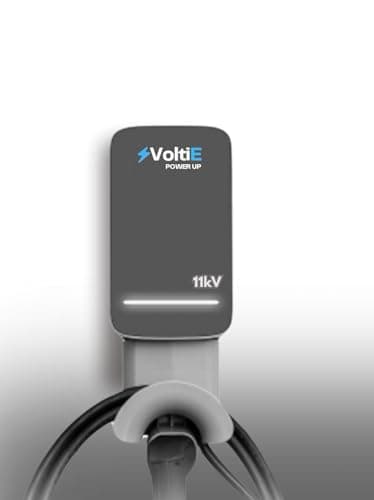
Generic
PowerUp Level 2 Smart EV Charger 32A 240V Fast Home Charging Station for Honda, Tesla, Chevrolet, Ford, Nissan, Hyundai, and More Wi-Fi Enabled NEMA 14-50 Plug for Indoor/Outdoor Use, Manufactured US
- Fast Efficient Charging Charge your EV up to 9x faster than a standard wall outlet with 32A 240V power
- Smart Features Wi-Fi enabled for remote monitoring scheduling and energy usage insights via the Voltie app
- Easy Installation Comes with a NEMA 14-50 plug ready to connect to 240V outlets Supports indoor and outdoor mounting
- Durable Design Weatherproof NEMA 4X and built to last in any environment Sustainable Charging Optimized for energy savings and compatibility with solar power systems
* As an Amazon Associate we earn from qualifying purchases.
The PowerUp Level 2 Smart EV Charger offers an outstanding combination of speed, intelligence, and durability for residential charging. With 32A 240V power output, it charges compatible EVs up to nine times faster than Level 1 outlets—a game-changer for busy homeowners. The WiFi-enabled Voltie app integration lets you monitor charging sessions, schedule off-peak charging to reduce electricity costs, and track energy usage patterns from your smartphone. Its NEMA 14-50 plug compatibility makes installation straightforward for homes with existing 240V circuits, while the weatherproof NEMA 4X construction ensures reliable performance in any climate, supporting both indoor and outdoor mounting.
What to Look For in Smart Level 2 EV Chargers
Amperage and Charging Speed
Level 2 chargers typically range from 16A to 32A, with higher amperage delivering faster charging times. A 32A charger can add 20-30 miles of range per hour, compared to just 2-5 miles per hour with Level 1. Check your home's electrical panel capacity and your vehicle's maximum charge acceptance rate to ensure you get the right amperage for your needs without requiring expensive electrical upgrades.
WiFi Connectivity and App Features
Smart WiFi connectivity is the defining feature of modern EV chargers. Look for chargers offering remote monitoring, scheduled charging (crucial for maximizing off-peak electricity rates), energy consumption reporting, and notifications. A robust mobile app should display real-time charging status, session history, and allow you to start or stop charging remotely. Integration with voice assistants or home automation platforms adds convenience, though this varies by manufacturer.
Installation Type and Connector Compatibility
Smart Level 2 chargers come in hardwired or plug-in configurations. Plug-in models with NEMA 14-50 connectors offer easier installation if your home already has a 240V outlet. Verify that your charger supports your vehicle's connector standard—most modern EVs use SAE J1772, though Tesla uses a proprietary connector. Always confirm compatibility with your specific vehicle before purchasing.
Weather Resistance and Build Quality
Since most home chargers are exposed to elements, weatherproof construction is essential. Look for NEMA 4X or equivalent ratings that protect against rain, snow, and temperature fluctuations. Durable materials, solid mounting hardware, and extended warranties indicate a charger built for long-term reliability in your climate, whether you're installing indoors in a garage or outdoors on a wall or post.
How to Set Up Smart EV Chargers in Your Smart Home
Installing a smart Level 2 EV charger involves both physical installation and software configuration. Start by verifying your home's electrical capacity—you'll need a dedicated 240V circuit with appropriate breaker size matching your charger's amperage. If your home already has a NEMA 14-50 outlet (common in homes with electric dryers), installation becomes straightforward: simply plug in your charger and secure it according to manufacturer guidelines. Next, download the accompanying app (like Voltie for the PowerUp charger) and create an account, then connect your charger to your home WiFi network. Configure your preferences including charging schedules, notification settings, and energy usage alerts. Consider integrating it with your broader home automation system to maximize energy efficiency, especially if you have solar panels or battery storage. Test the app's remote features to confirm you can monitor and control charging from your smartphone before relying on it for daily use.
How Smart Level 2 EV Chargers Compare to Other Smart Home Upgrades
Smart EV chargers offer exceptional return on investment compared to many home upgrades. While smart climate control systems improve comfort and smart security solutions protect your home, an EV charger directly reduces transportation costs and supports energy independence—especially valuable if paired with solar. The efficiency gains from scheduling charging during off-peak hours can save hundreds annually, making it one of the most practical smart home investments for EV owners. Unlike optional upgrades, dedicated EV charging is increasingly essential infrastructure.
Our Verdict
For homeowners ready to invest in reliable, intelligent home EV charging, the PowerUp Level 2 Smart EV Charger delivers excellent value. Its combination of fast 32A charging, WiFi-enabled app control, straightforward NEMA 14-50 installation, and weatherproof design addresses the core needs of residential EV owners. Whether you're a daily commuter maximizing off-peak charging or someone seeking energy independence through smart scheduling, this charger provides the speed and intelligence modern EVs demand.
Frequently Asked Questions
How much faster is Level 2 charging compared to Level 1?
Level 2 chargers deliver approximately 5-9 times faster charging speeds than standard Level 1 outlets. A 32A Level 2 charger can add 20-30 miles of range per hour, while Level 1 typically adds only 2-5 miles per hour. This makes Level 2 essential for practical daily home charging of electric vehicles.
Do I need a licensed electrician to install a smart Level 2 charger?
Most municipalities require a licensed electrician to install a dedicated 240V circuit for your EV charger, especially if one doesn't already exist. If your home has an existing NEMA 14-50 outlet, installation of the charger itself may be simpler, but always check local electrical codes and permit requirements before proceeding.
Can I use a smart EV charger with any electric vehicle?
Most modern EVs use the SAE J1772 connector standard and are compatible with standard smart Level 2 chargers. However, Tesla vehicles traditionally use a proprietary connector, though newer Tesla models now include J1772 adapters. Always verify your specific vehicle's compatibility before purchasing a charger.
How much does it cost to run a smart Level 2 charger?
Operating costs depend on your local electricity rates and charging frequency. On average, charging an EV costs $0.03-0.05 per mile, significantly less than gasoline. Smart WiFi features like scheduled off-peak charging can reduce these costs further by 10-30% by taking advantage of lower nighttime electricity rates.
What's the difference between WiFi-enabled and non-smart chargers?
WiFi-enabled smart chargers offer remote monitoring, scheduled charging, energy usage insights, and app notifications—features that optimize costs and convenience. Non-smart chargers simply deliver power without intelligence or connectivity. Smart chargers justify their slightly higher upfront cost through energy savings and the ability to maximize off-peak charging rates over time.